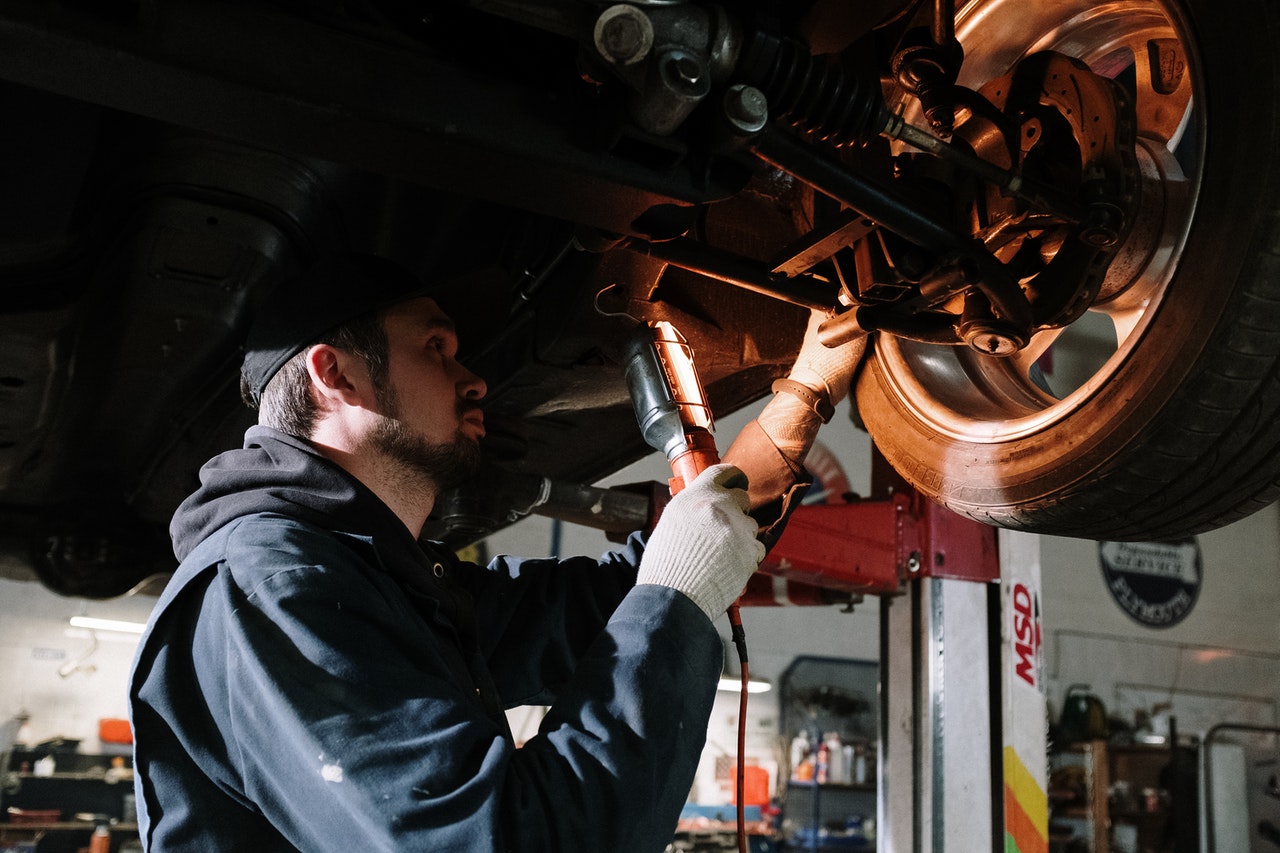
Like every other machine, cars are built of many parts and components that need to be replaced periodically, due to wear out or wear down. Also, there are many parts and components that rely on a clean and fresh supply of fluid circulating within them to do their job properly. Fluids, like the parts, have a lifespan and need to be flushed out, refilled or replaced within the scope of maintenance.
When it comes to cars, you need to understand that they are sophisticated machines which require proper maintenance in order to be able to take you from point A to point B as safely and efficiently as possible. To help you understand what kind of works are required when it comes to replacing car parts and how often you should perform such works, we’ve compiled the following list.
Cabin air filter
The role of the air filter is to keep dust, pollen, allergens and other unwanted nastiness out of the cabin. It helps keep occupants more comfortable and prevents dust from building up inside the car. You should replace your cabin air filter at least once a year, but if you drive in a dusty climate, you should probably do it more often. It’s relatively easy and cheap to replace a cabin air filter, but if you don’t feel comfortable doing it on your own, visit your mechanic.
Engine air filter
Since engines breathe in a constant stream of outside air while running, you need a fully functional filter to keep unwanted contaminants at bay. Again, you should replace this filter at least once a year, but possibly even more often. Many modern vehicles feature a built-in indicator, which tells the driver that the filter needs changing. However, if you drive an older car, you need to visually inspect the filter or take your car to a mechanic. Pay attention to the whole system and opt for quality components such as those comprising the reliable AEM induction systems, used by many Australian drivers.
Battery
With modern vehicles relying heavily on electronics, the job of the battery is becoming increasingly challenging. Like all batteries, the one in your car is constantly charging and discharging, but its ability to do so gradually degrades to a point where the battery become weak and needs replacement. Normally, a car battery lasts several years, but you should inspect the battery and the associated charging system regularly for signs of trouble.
Brake Fluid
Brake fluid transforms the pressure applied to the brake pedal into hydraulic force used to power your brakes and stop the car. This specially-formulated fluid is contained in a sealed reservoir, brake lines and brake system components. In most cases, this fluid needs to be changed on an as-needed basis. The best way to go about it is to consult the owner’s manual and avoid stretching the maintenance interval.
Coolant
Engine coolant circulates through your vehicle’s engine at virtually all times while it’s running. This fluid travels through passageways in the engine where it whisks away heat built up within. The now-heated fluid travels to the heater core, where its heat is pumped into the cabin (if the heater is turned on) and then, travels to the radiator where the fluid is cooled down. Depending on the vehicle you own, you might need a coolant flush and refill every few year or after a certain mileage limit, though some vehicles have lifetime coolant that never needs to be changed.
Engine/oil filter
Most drivers are aware that oil and filter changes are crucial for vehicle longevity. You should check the owner’s manual and see what it says about the frequency at which you need to replace filters or oils. There is either a pre-set interval, certain mileage limit or period of time after which you need to replace the oils and filters
Spark Plugs
Another vital part of your car’s engine are spark plugs, which create a tiny spark many times per second, which, in turn, is responsible for the ignition of the fuel and air mixture in your car’s cylinders. This spark initiates the controlled sequence of explosions that takes place within your engine, which is responsible for generating the power needed to drive your vehicle. Logically, spark plugs wear out over time and need to be replaced. How often you do this depends on the vehicle. Intervals and other details are listed in the maintenance section of your owner’s manual, so make sure you consult it.
Needless to say, there are many other parts that need to be replaced if you want your car to function perfectly. Basically, the most important thing is to stick to the owner’s manual and the instructions you can find in it. Next, you should by all means have your car serviced by experienced mechanics, who will make sure only the proper parts are installed and that it’s done professionally. The better you maintain your car, the safer you’ll be and you’ll also be able to get more money for your car once you decide to sell it in order to buy a newer and better model.