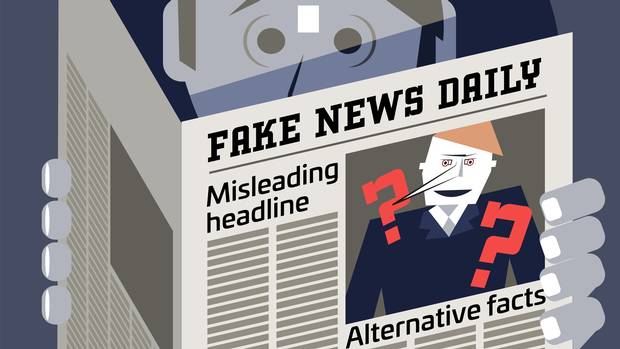
Fake news is becoming a significant problem for society. Up until now, the majority of the news that people got came from reputable organizations that had to publish accurate news stories to maintain their credibility. News organizations had their bias, but they were generally reliable enough to gain the trust of the majority of people.
Unfortunately, that’s no longer the case. People don’t trust the major news outlet. What’s more, because anybody can share news stories online without editorial checks and balances, people are free to say what they want, present it as “real” news, and gain substantial advertising payments from their efforts. Fake news is a lucrative market.
All this has led to a change in the role of librarians. In the past, a librarian helped people find books on the shelves. But today, the position is vastly different. The task of the librarian today is to help people find reliable sources of information. Librarians are, therefore, a kind of filter on information online. Their job is to point people towards sources of information that make careful use of the data, rather than the ramblings of somebody with an alternative agenda.
Fake news is having a massive impact on media and society at large. With the rise of self-publishing, people are free to sensationalize whatever they like, drawing readers and creating drama online. The following infographic presents some figures explaining how fake news affects our society and what people who control the flow of information can do about it. Check it out below.

Infographic by University of Southern California